
In the ever-evolving landscape of global industry, the need for efficient, safe, and comfortable labor camps for workers has become increasingly important. Companies across sectors such as construction, oil and gas, mining, and emergency response require accommodations that not only house workers but also enhance their well-being and productivity. Lida Group, a leader in modular construction, has developed a comprehensive approach to creating labor camps that prioritize comfort and functionality. This article delves into the principles, design features, and benefits of Lida Group’s labor camps, illustrating how they set a standard for worker accommodations.
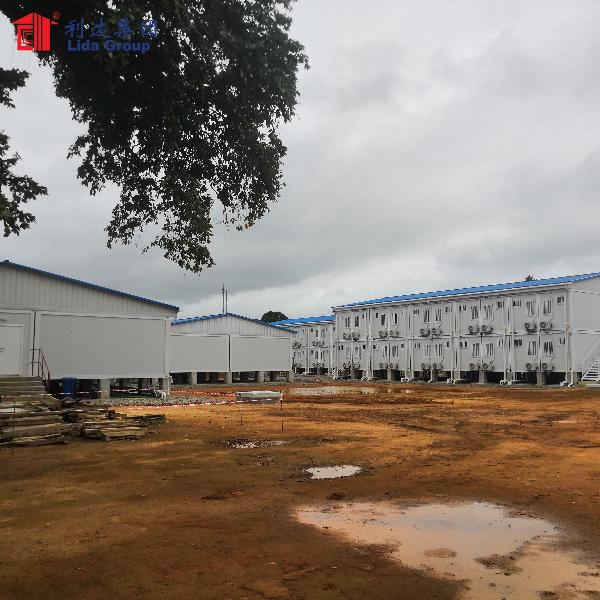
Understanding Labor Camps
What Are Labor Camps?
Labor camps are temporary or semi-permanent housing solutions designed to accommodate workers on-site, particularly in remote or challenging environments. These camps provide essential amenities such as sleeping quarters, dining facilities, recreational areas, and sanitation services. The goal is to create a living environment that promotes comfort, safety, and community among workers.
The Importance of Comfortable Labor Camps
Comfortable labor camps are crucial for several reasons:
- Worker Well-Being: Safe and comfortable living conditions are vital for the physical and mental health of workers. They help reduce stress and fatigue, leading to higher morale.
- Productivity: Comfortable accommodations can significantly enhance productivity. Workers who feel valued and comfortable are more likely to perform at their best.
- Safety: Proper housing minimizes the risks associated with inadequate living conditions, such as health issues and accidents.
- Retention: Quality accommodations can lead to lower turnover rates, as workers are more likely to stay in environments where they feel comfortable and cared for.
Lida Group’s Approach to Labor Camp Design
Lida Group employs a multifaceted approach to designing labor camps that prioritize comfort, efficiency, and sustainability. Their methodology includes several key principles:
1. Modular Construction
Lida Group utilizes modular construction techniques to create labor camps that are both functional and adaptable:
- Rapid Deployment: Modular units are prefabricated in a controlled environment, allowing for quick assembly on-site. This speeds up the deployment process and minimizes disruptions to project timelines.
- Flexible Configurations: Modular designs can be easily customized to meet the specific needs of different projects, accommodating various numbers of workers and amenities.
2. Comprehensive Amenities
Lida Group ensures that labor camps are equipped with essential amenities that enhance the living experience for workers:
- Living Quarters: Comfortable sleeping arrangements are crucial. Lida Group designs private or shared rooms with adequate space, ventilation, and natural light to promote restful living conditions.
- Dining Facilities: On-site dining options are provided to ensure that workers have access to nutritious meals. A communal dining area fosters social interaction and community building among workers.
- Recreational Spaces: Incorporating recreational areas encourages relaxation and socializing, which can significantly boost morale and foster a sense of community.
3. Health and Safety Considerations
The design of labor camps prioritizes the health and safety of workers:
- Sanitation Facilities: Adequate restroom and hygiene facilities are essential to maintain cleanliness and prevent health issues. Lida Group ensures that sanitation standards are met or exceeded.
- Emergency Preparedness: Labor camps are designed with safety features and emergency response plans, including fire safety measures and first aid facilities, to ensure the well-being of all occupants.
4. Sustainability
Lida Group is committed to sustainable construction practices:
- Eco-Friendly Materials: The use of sustainable building materials reduces environmental impact while ensuring durability and comfort.
- Energy Efficiency: Many labor camps are designed with energy-efficient systems, including proper insulation and energy-saving appliances, to minimize energy consumption and reduce costs.
Benefits of Comfortable Labor Camps
Lida Group’s focus on creating comfortable labor camps offers numerous benefits for both workers and employers:
1. Enhanced Worker Satisfaction
Comfortable living conditions lead to higher levels of worker satisfaction:
- Improved Morale: Workers who are provided with comfortable accommodations are generally happier and more motivated, which can lead to a more positive work environment.
- Reduced Stress: Adequate facilities help alleviate stress and contribute to better mental health for workers, enabling them to focus on their tasks without the distraction of uncomfortable living conditions.
2. Increased Productivity
Quality accommodations can directly impact productivity levels:
- Fewer Absences: When workers are comfortable and healthy, they are less likely to take time off, resulting in fewer disruptions to productivity.
- Higher Performance: A comfortable living environment allows workers to rest and recharge, leading to better focus and performance on the job.
3. Cost-Effectiveness for Employers
Investing in comfortable labor camps can yield significant long-term savings for employers:
- Lower Turnover Rates: Quality accommodations help retain workers, reducing the costs associated with recruiting and training new employees.
- Increased Efficiency: Comfortable workers are often more efficient and productive, which can lead to faster project completion and reduced labor costs.
4. Positive Company Reputation
Companies that prioritize worker welfare through quality accommodations can enhance their reputation:
- Attracting Talent: Organizations known for providing comfortable living conditions are likely to attract and retain top talent in their respective industries.
- Corporate Social Responsibility: Demonstrating a commitment to worker welfare aligns with corporate social responsibility goals, enhancing the company’s public image.
Case Studies: Successful Implementation of Lida Group’s Labor Camps
Case Study 1: Construction Project in Remote Location
Challenge: A construction firm needed to house 300 workers at a remote site with limited infrastructure.
Solution: Lida Group provided a modular labor camp that included sleeping quarters, dining facilities, and recreational areas. The design focused on maximizing comfort and functionality.
Outcome: The labor camp was assembled in just three weeks, allowing workers to settle in quickly. The improved living conditions led to increased worker satisfaction and productivity, positively impacting the overall project timeline.
Case Study 2: Oil and Gas Operations
Challenge: An oil and gas company required sustainable housing solutions for its workforce stationed in a remote area for an extended period.
Solution: Lida Group’s labor camp featured eco-friendly materials and energy-efficient systems. The camp included comfortable sleeping accommodations, a communal dining hall, and recreational facilities tailored to the needs of workers.
Outcome: The labor camp provided safe and comfortable accommodations, resulting in positive feedback from workers about their living conditions. This led to lower turnover rates and improved operational efficiency.
Case Study 3: Emergency Response Housing
Challenge: A region affected by natural disasters required immediate housing solutions for recovery workers.
Solution: Lida Group rapidly deployed a modular labor camp to provide essential housing for recovery workers. The units were designed for quick assembly and equipped with necessary amenities for comfortable living.
Outcome: The labor camp was set up within days, providing a safe and dignified living environment for recovery workers. The swift response helped restore a sense of normalcy in the affected area, demonstrating the effectiveness of Lida Group’s approach to labor camp design.
Addressing Challenges in Labor Camp Development
1. Regulatory Compliance
Navigating local building codes and regulations can be complex. Lida Group engages with local authorities early in the planning process to ensure compliance and address potential regulatory hurdles.
2. Logistics and Transportation
Transporting modular units to remote locations can present logistical challenges. Effective planning and coordination are essential to ensure timely delivery and assembly.
3. Community Engagement
Building labor camps in remote areas requires understanding local communities. Lida Group emphasizes community engagement to ensure that their projects are accepted and supported by local residents.
4. Cultural Sensitivity
Designing labor camps that respect local cultures and traditions is crucial for acceptance. Collaborating with local architects and designers can ensure that the final product resonates with the community.
The Future of Labor Camps in Worker Accommodation
Technological Innovations
The future of labor camps will be influenced by ongoing technological advancements:
- Smart Technologies: The integration of smart technologies, such as IoT devices, can enhance the efficiency and comfort of labor camps, allowing for better energy management and security features.
- Building Information Modeling (BIM): The use of BIM can improve design accuracy and collaboration, streamlining the construction process and enhancing project management.
Global Market Potential
The demand for comfortable labor camps is expected to grow as industries expand into remote areas:
- Emerging Markets: Developing countries will increasingly turn to modern labor solutions to address housing needs, particularly in remote regions.
- Crisis Response: Labor camps will continue to play a crucial role in providing temporary accommodations in disaster-stricken areas, offering quick and effective solutions.
Customization and Adaptability
The ability to customize designs will ensure that labor camps meet the unique needs of various industries:
- Flexible Configurations: Modular designs allow for easy modifications and expansions as workforce needs change.
- Cultural Sensitivity: Designs can be tailored to reflect local architectural styles and cultural preferences, enhancing their appeal in diverse markets.
Enhancing Worker Welfare Through Comfortable Labor Camps
1. Improved Living Conditions
Creating comfortable labor camps significantly enhances the quality of life for workers:
- Comfortable Accommodations: Providing private sleeping quarters, modern kitchens, and clean bathrooms creates a comfortable living environment.
- Community Spaces: Incorporating communal areas encourages social interaction and fosters a sense of community among workers.
2. Health and Safety
Health and safety are paramount in the design of labor camps:
- Sanitation Facilities: Adequate restroom and sanitation facilities help prevent health issues and ensure the well-being of workers.
- Ventilation and Air Quality: Proper ventilation systems contribute to good air quality, reducing the risk of respiratory problems.
3. Economic Benefits
Investing in high-quality labor camps can yield significant economic benefits for companies:
- Increased Productivity: Comfortable living conditions lead to happier workers, resulting in higher productivity levels and lower turnover rates.
- Cost Savings: While the initial investment may be higher, the long-term savings from reduced turnover and increased efficiency can outweigh the costs.
Conclusion
Creating comfortable labor camps is not just a matter of providing shelter; it is about fostering a supportive and productive environment for workers. Lida Group’s innovative approach to labor camp design prioritizes comfort, safety, and sustainability, setting a standard for modern worker accommodations.
As industries continue to expand into remote areas and face new challenges, the demand for high-quality, customizable, and sustainable housing solutions will only grow. Lida Group’s labor camps exemplify how thoughtful design and execution can enhance the living conditions of workers, ultimately benefiting both employees and employers.
In a world where worker welfare is increasingly recognized as a critical component of operational success, the adoption of comfortable labor camps is a crucial step toward ensuring that every worker has access to safe, dignified, and supportive living environments. By embracing the potential of modern labor camp solutions, companies can create better living conditions for their workers, fostering a more satisfied and productive workforce.
Contact Us
Post time: Mar-06-2025